
Three Kings - South Africa

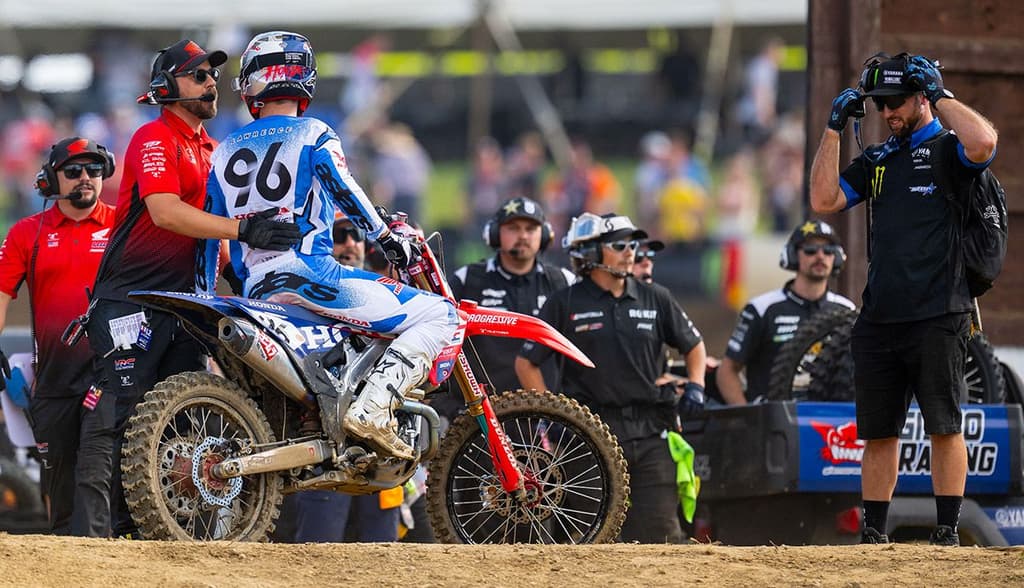
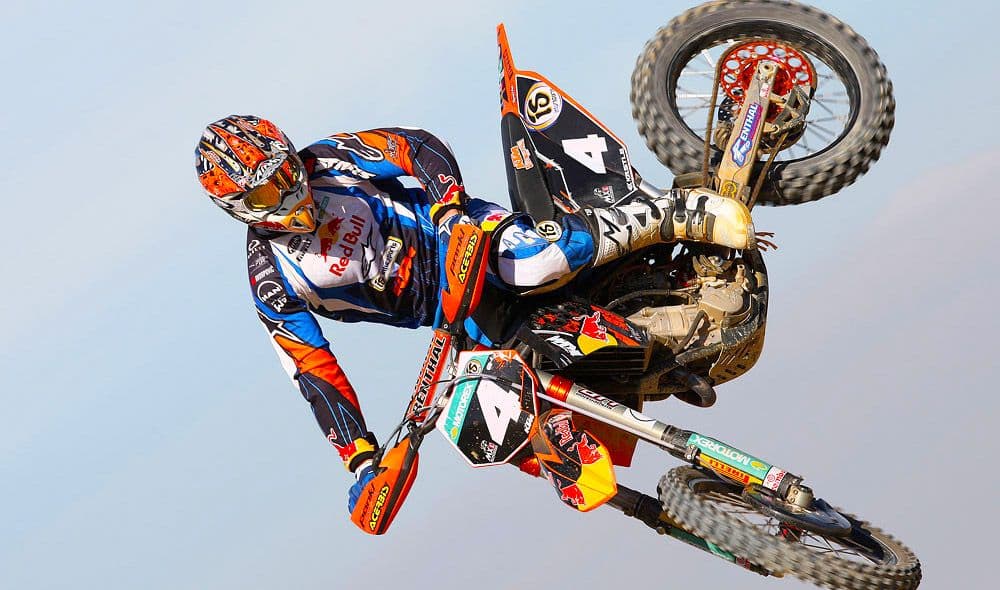
South Africa has three world motocross champions, in Greg Albertyn, Grant Langston and Tyla Rattray. All three were tough, hard men, who had to adapt to the European conditions and all three achieved greatness for their country.
Albertyn the greatest ever South African has two world titles (125cc and 250cc) and an AMA 450 motocross championship, while Langston won the world 125cc title in 2000 and also won an AMA 450 championship and Rattray is the 2008 MX2 world champion. All three won a lot of races, both indoors and outdoors and will always be remembered as the three kings in South Africa.
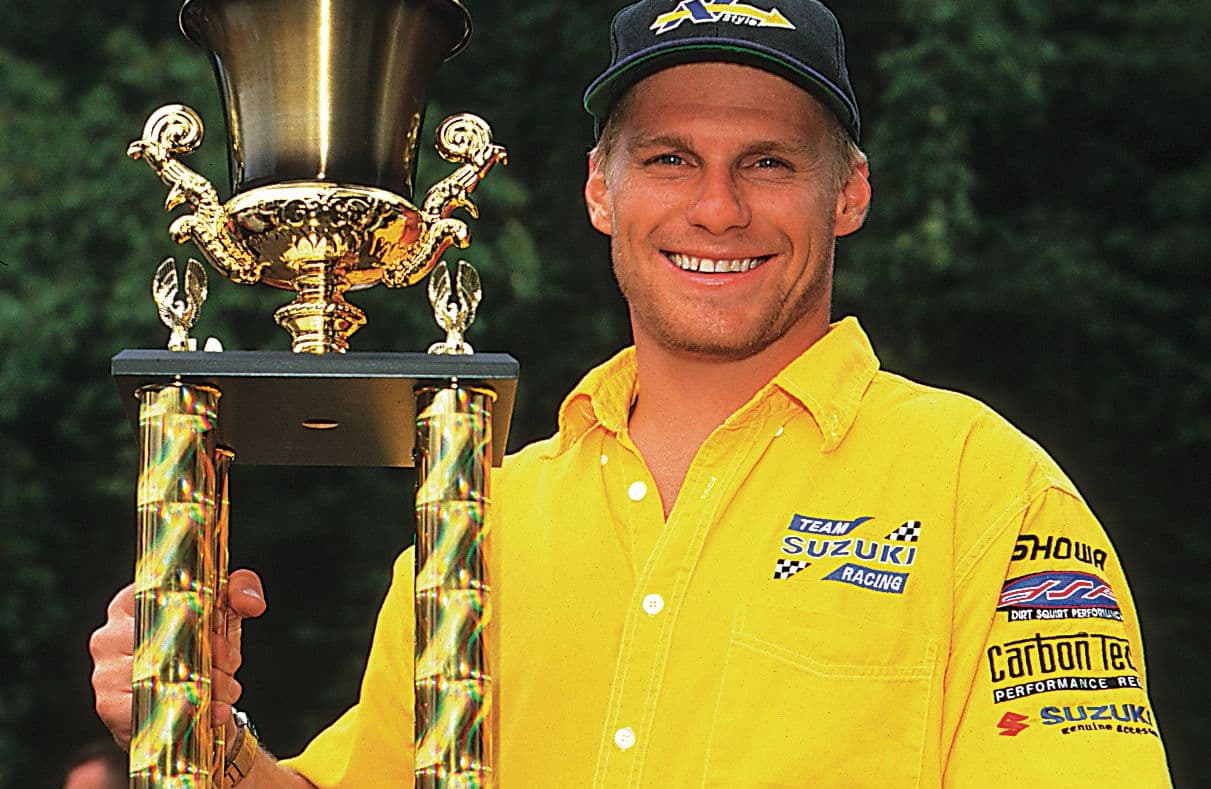
Unless you are not from Europe, you cannot understand the culture shock, for some, they love it, as I do (being from Australia), but I can also imagine, for others, it’s a tough world to enter. Albertyn was the first from South Africa to win a world title, but his journey wasn’t an easy one.
“To be the first one ever to do it from South Africa was huge," Albertyn said. "Look at Grant Langston and Tyla Rattray; they knew it was possible because I had already done it. Whereas before me, I didn’t know if a South African could ever do it, coming from the smallest part of the globe. The redemption part of the last Championship was huge for me. It would have been a shame had I retired and never conquered America.”
What was something of an eye opener, was the actions against South African riders, because of the political situation in South Africa. Many of us who travelled to the South African GPs in the early 2000s saw it first hand and it isn’t pretty, but blaming athletes for that, just isn’t on. Similar to the Russian situation for their sportsmen at the moment.
“On the international stage, South Africa was almost like a cuss word. If you said you were from South Africa, people would scoff at you. I needed a visa for every single country I went to. I couldn’t go to the Brazilian GP in 1991 because they would not allow me in. I almost missed the 1992 Swedish GP, because they didn’t want to allow me in. Europe was tough and incredibly lonely. I did not have any friends and couldn’t speak the language. The weather was dark, and the culture was dark. Most of that first year I was injured, so I sat on the sidelines not doing anything.
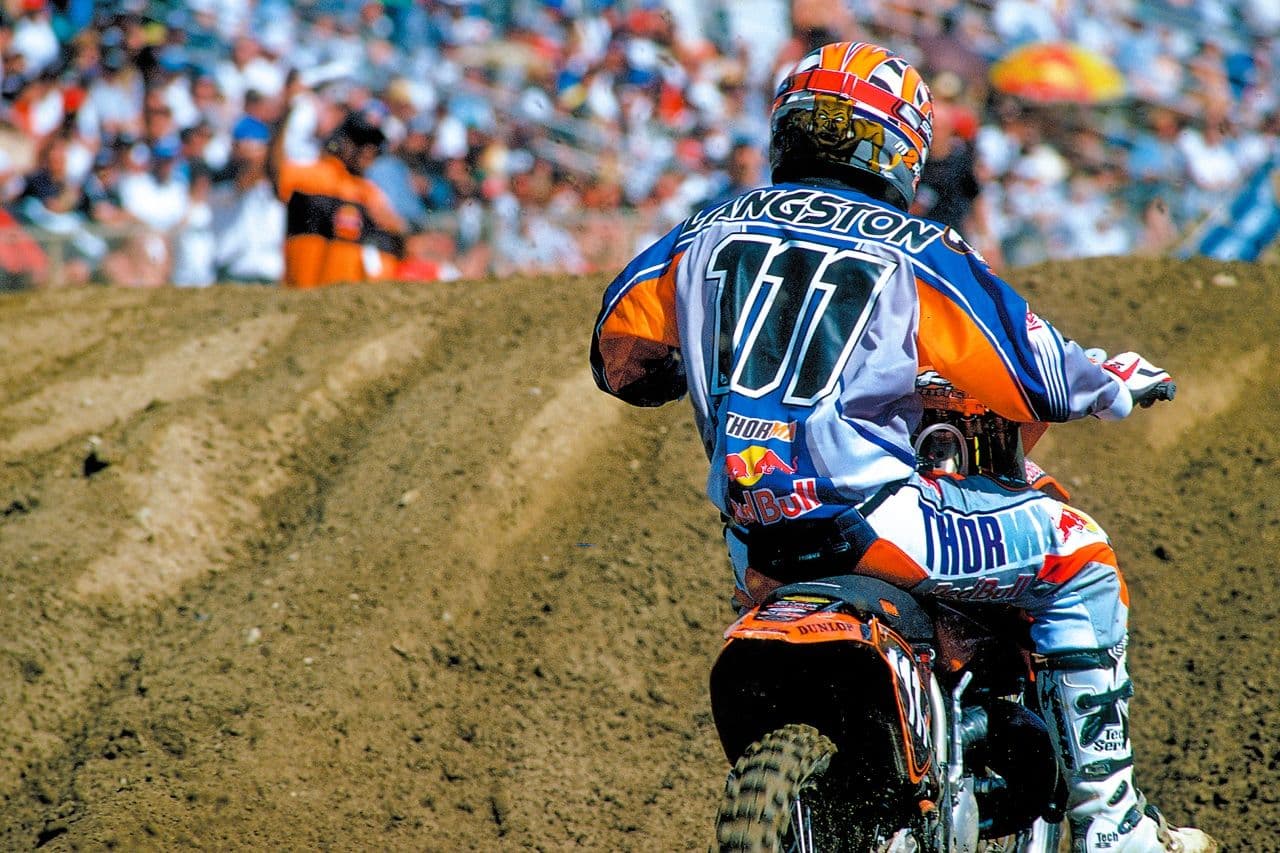
Langston is without question one of the nicest guys in the sport of motocross. While he wasn’t humble to his rivals, he was very much a good person, brought up with good values and the Langston family are respected worldwide.
For Langston, despite the door opened by Albertyn, his entry into Europe wasn’t an easy one. At times, he had to wonder if he would ever be at the level needed to be a World champion, but like Albertyn, he had a self belief that made sure he made it.
“I went to Europe in 1998," Langston said. "It was my first year of doing GPs. I actually did not qualify for that first race. It was frustrating to chase your dream and then have to watch the race from the sidelines. It was like the end of the world for me. Here we were in a foreign county, and my dad was telling everyone how his kid could ride, and I did not even qualify. I was 15 and the youngest rider there. But I soon progressed to qualifying, then to qualifying in the top 20, and then to finishing in the top 10. In 1999 Factory KTM picked me up. There was no salary, but they provided a motorhome, bikes, housing, travel expenses and everything we needed.”
Just like all non-European athletes, the transition is very, very difficult, with homesickness one of the major issues. Time and time again I have heard of the difficulties of Australian, New Zealand, American or South African riders crying themselves to sleep at night and feeling a loneliness, they could never have imagines.
“When my dad and I moved in 1998, I rode for Harry Everts, and we lived in a one-bedroom apartment in Belgium. I was going to any local race to make money whenever there was not a GP. Moving to Europe was a big adjustment. I was dealing with being homesick. We did not speak the language. We didn’t have any money, and I didn’t know anyone. Plus, it was much colder than South Africa.”
The third of the three kings was Rattray. Another tough soul, who arrived in Europe with his mother and mother’s boyfriend. What Rattray had learnt from Albertyn and Langston was that racing in Europe would prepare him for an eventual move to USA and he had to do the tough miles, to not only win a world title, but also place himself in the American market.
“I lived in South Africa until I was 14 and then I went over to Germany. I stayed in Germany for a year and then I moved to Belgium because the tracks in Belgium and Holland are really sandy. Sand improves your physical condition and also it helps on hard-pack tracks to keep your momentum up in the corners. I’d been living in Belgium for eight years and then won the world championship in 2008. Mitch [Payton] said, ‘When you win a world championship you can come ride for me.’ So, I won in 2008 and came over [to the United States] in 2009.”
And as he found out very quickly, racing GP wasn’t like racing back at home, where life was much easier and wins came as easily as waking up in the morning. Europe didn’t offer him that luxury straight away.
“The level in S.A is so much lower than GP level, so it is really difficult to make it in Europe coming out of S.A. All the odds are against you; you are thrown in the deep-end badly and told to swim. I think the toughest part is the mental part, you just have to believe in yourself all the time and dig deep. In the beginning the equipment is not that good, the tracks are way different, and you are just way off the pace. You definitely need a strong head to fight through the bad days.”
Any now, as we head to South Africa for this weekends Grand Prix, the first since 2008, the year Rattray became world champion, the young South African riders can appreciate, that their legends, Albertyn, Langston and Rattray have led a path, that gives them all a better chance to succeed in Europe.